

Maybe it’s because I’m approaching 35, maybe it’s because my parents just retired, but I keep thinking about career windows.
Not in a midlife crisis kind of way – more in a wait, how long can I actually do this? kind of way.
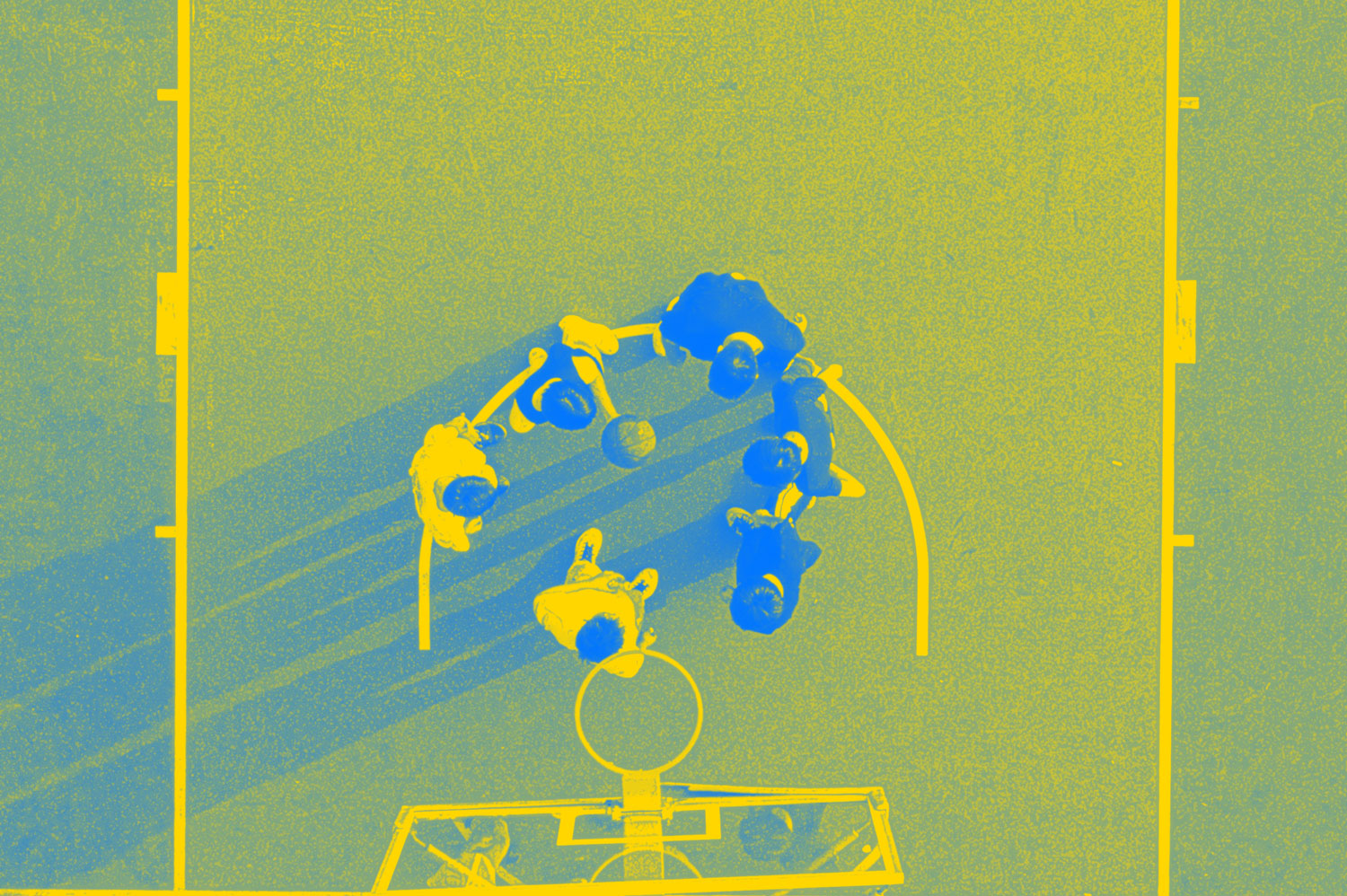
Take professional athletes. Their window is brutally small. Blink-and-you-miss-it small. Your body peaks, your body betrays you, and suddenly ESPN is using words like former and once-promising. There’s a hard ceiling on physical output, and no amount of heart or hustle can negotiate with biology.
But creative work?
That window feels… different.
Taste ages slower than muscle.
You can design a great logo with a broken back.
You can shape a brand with tired knees.
You can still see patterns, feel tension, spot imbalance, and make a call that changes everything – even if you can’t dunk anymore.
There’s no injured reserve list in graphic design.
And that matters more than we talk about.
Taste Outlives Talent
Early in my creative career, output did a lot of the talking.
Speed. Volume. Flexibility.
You can crank, pivot, explore, throw things away, start again. That phase looks impressive from the outside – and it is.
But over time, something else quietly takes over.
Creative Judgment.
You stop designing everything and start designing the right things. You know when to push and when to leave something alone. You’ve seen trends rise and die. You’ve watched clients chase shiny objects and regret it later. You’ve felt the difference between something that looks good today and something that will still feel right five years from now.
That instinct – that taste – it compounds.
Athletic talent depreciates.
Creative taste appreciates.
And unlike raw talent, taste isn’t purely physical. It’s observational. Emotional. Cultural. Strategic. It’s shaped by mistakes, not just wins.
You don’t lose that with age.
You sharpen it.
The Automation Question Everyone Keeps Asking
Everyone keeps asking their designer friends the same thing:
“So… is AI going to take your job?”
The quickest, truest answer is still a calm no.
Not because machines aren’t powerful – they are.
Not because the tools aren’t improving – they are, fast.
But because what they accelerate isn’t the part that defines great creative work.
AI will generate options.
It will speed up execution.
It will lower the cost of “good enough.”
Where it struggles – and will continue to – is judgment.
Where bots optimize, humans contextualize.
Where bots replicate, humans decide.
Where bots fill space, humans know when to leave it empty.
Call it taste.
Call it restraint.
Call it editorial instinct.
Whatever you call it, that muscle doesn’t age out. And it doesn’t belong to machines.
That’s still human territory.
Where Human Creatives Still Win
Machines are phenomenal at execution. They’re getting frighteningly good at pattern replication. They can mimic styles, generate options, fill space, and optimize based on rules.
What they struggle with is why something should exist at all.
They don’t feel the hesitation in a room when a concept doesn’t land – but no one wants to say it. They don’t sense when a brand is overcompensating. They don’t know when restraint is the boldest move on the table.
Humans do.
Great brand builders aren’t just designers. They’re editors. Translators. Psychologists. They read people as much as briefs. They know when a client needs confidence, not novelty. They know when the safest option is actually the riskiest long-term play.
That’s not brute force.
That’s experience.
And experience doesn’t expire on a fixed timeline.
Why Sentripetal Was Built for the Long Game
This is exactly why Sentripetal exists.
Not to compete on speed or volume – machines are already winning that race.
But to create a consistent creative rhythm that compounds over time.
One monthly rate. One task at a time. One relationship that deepens with every project.
Because great brands aren’t built in sprints. They’re built through steady, compounding judgment. Through designers who’ve seen enough to know what not to do. Through taste that sharpens with every logo, every system, every decision.
Sentripetal is for companies that understand this. Companies that value strategic restraint over endless revisions. That know the difference between “fast” and “right.” That want a creative partner who brings instinct, not just execution.
When you’re playing the long game, consistency beats chaos.
And judgment beats volume.
Every time.
Final Thought
If you’re early in your career, don’t panic about speed.
And if you’re later in your career, don’t panic about relevance.
The window isn’t closing.
It’s widening.
Just keep watching the game.
Keep adjusting your swing.
Keep developing taste.
Because the creatives that win the long game aren’t the loudest.
They don’t chase attention. They help choose direction.